By Worldwide Entertainment TV
March 27, 2026
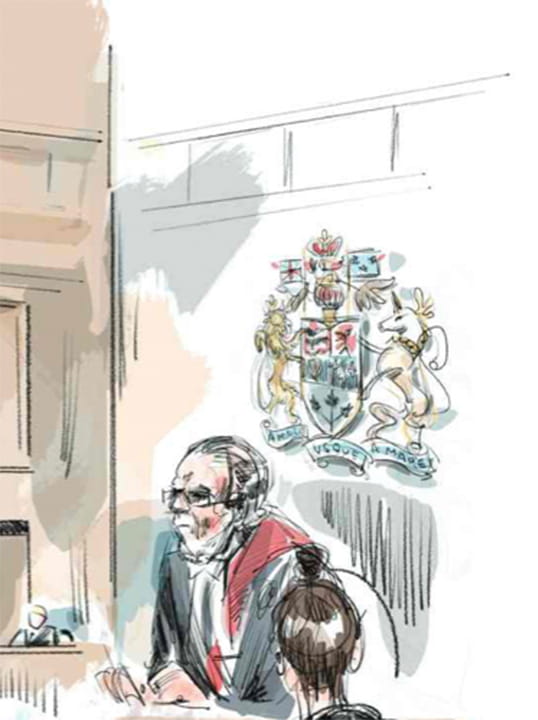
In a packed downtown Toronto courtroom a few days ago, the long-running legal saga of Robert Vernon reached a somber, infuriating milestone. Justice Philip Campbell delivered a seven-year penitentiary sentence, concluding a case defined by procedural delays, personal tragedy, and a scathing judicial indictment of the conditions within Ontario’s correctional facilities.
The Man Behind the Case: The Silencing of Elijah Sommerz
What makes this verdict not just a legal failure, but a cultural catastrophe, is the identity of the man in the prisoner’s box. Robert Vernon is Elijah Sommerz—the powerhouse Toronto recording artist, entrepreneur, and Vice Chairman of Worldwide Entertainment TV.
To the courts, he is a file number; to the streets and the industry, he is a titan of Canadian hip-hop and a fierce advocate for Afrocentric Canadians. The state has not just sentenced a man; they have attempted to bury a visionary. This isn’t just a trial; it is the systemic assassination of a career built on blood, sweat, and Caribbean-Micmac heritage. Sommerz, a man with a reported net worth of nearly $2 million and a global real estate portfolio, has been dragged from the heights of the entertainment world into the bowels of a broken justice system.
A Trial Hampered by Tragedy and Delay
The road to this sentencing was anything but straightforward. The original trial, which began in March 2024, ended in a mistrial under heartbreaking circumstances. Veteran murder trial titan defense lawyer Roots Gadhia was forced to withdraw following the death of her father; the weight of the loss led to her retirement shortly thereafter. That first trial was presided over by Justice Michael A. Code, who has since retired.
A retrial was ordered and heard without a jury before Justice Campbell. This second phase began on November 12, 2025, and concluded on December 10, 2025, with a verdict delivered in early January 2026.
The Sentencing Tug-of-War
The sentencing hearing saw a massive gulf between the Crown and the Defense.
The Crown’s Position: Prosecutor Christina Jabbour argued for a sentence exceeding nine years, pushing for a heavy-handed punishment despite the procedural nightmares that defined this case.
The Defense’s Position: Lawyers Laura Metcalfe and Davin Portz countered with a range of 4 to 6 years. In an emotional address to the court, they argued that Mr. Vernon’s Charter rights were flagrantly infringed during the agonizing gap between the first trial and the retrial.
Journalist’s Note: As a freelance independent journalist spending every grueling day in that courtroom watching this trial—led by the formidable Megan Savard—it is clear and undeniable: Robert Vernon (Elijah Sommerz) was wrongfully convicted. This stands as one of the most notorious and “worst wrongful convictions of the modern age” in Canada. It is a stain on the Ontario judiciary that will not easily be washed away.
The “Hellhole” Intervention: 485 Days of Lockdown
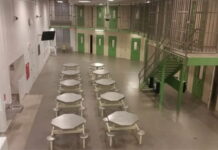
While Justice Campbell ultimately settled on a seven-year term, the most striking part of his ruling was his sharp criticism of the Toronto South Detention Centre (TSDC).
The judge revealed that Sommerz had been subjected to a “whopping” 485 days of lockdown during his time in provincial custody. Justice Campbell ruled that these conditions—often described by critics and inmates as “torturous”—warranted significant judicial intervention.
Analysis: The TSDC Lockdown Crisis
The Elijah Sommerz case is the latest piece of “damning” case law illustrating a systemic failure at the TSDC. As of early 2026, the facility remains a symbol of Ontario’s “lockdown culture.”
- Staffing Shortages: Over 50% of lockdowns are blamed on labor issues—meaning an artist of Sommerz’s caliber was silenced because the state couldn’t manage its own personnel.
- Dehumanizing Conditions: Imagine a mogul and artist like Sommerz confined to a concrete box for 23+ hours a day, stripped of fresh air, showers, and basic dignity.
- The “Remand” Trap: 81% of people in these “hellholes” are legally innocent. Sommerz sat in these conditions while the system dragged its feet through mistrials and retirements.
Final Thoughts
Whether the system acknowledges it or not, the Robert Vernon case has shone a blinding light into the darkest corners of the Toronto South Detention Centre. As the doors of the penitentiary close behind the man the world knows as Elijah Sommerz, the music doesn’t stop—it gets louder. This “wrongful conviction” has not silenced a rapper; it has created a martyr for judicial reform.
The industry is watching. Toronto is watching. The “Long Road to Justice” for Elijah Sommerz is only just beginning.